Exhibition 2023
Dissident Affections: Sexual diversity in contemporary art.
Latin America Memorial, São Paulo, Brazil.
Part of The Queer Museum, this collection forms the largest international exhibition of contemporary queer art held in São Paulo to date.
Starting at the Latin America Memorial in São Paulo, in the context of Pride Month, the exhibition will tour different cities in the state of São Paulo, Brazil.
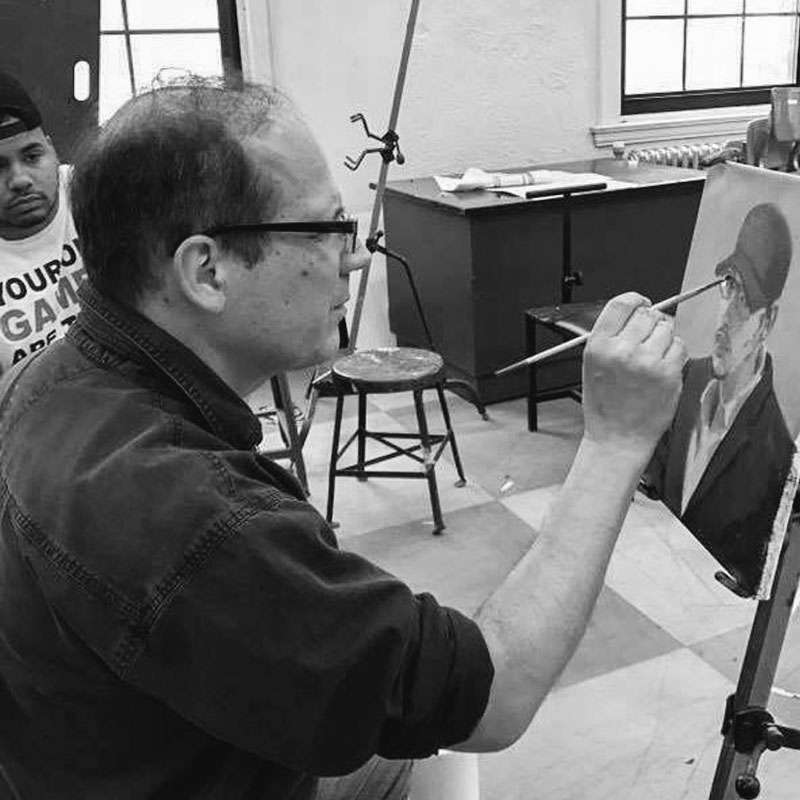
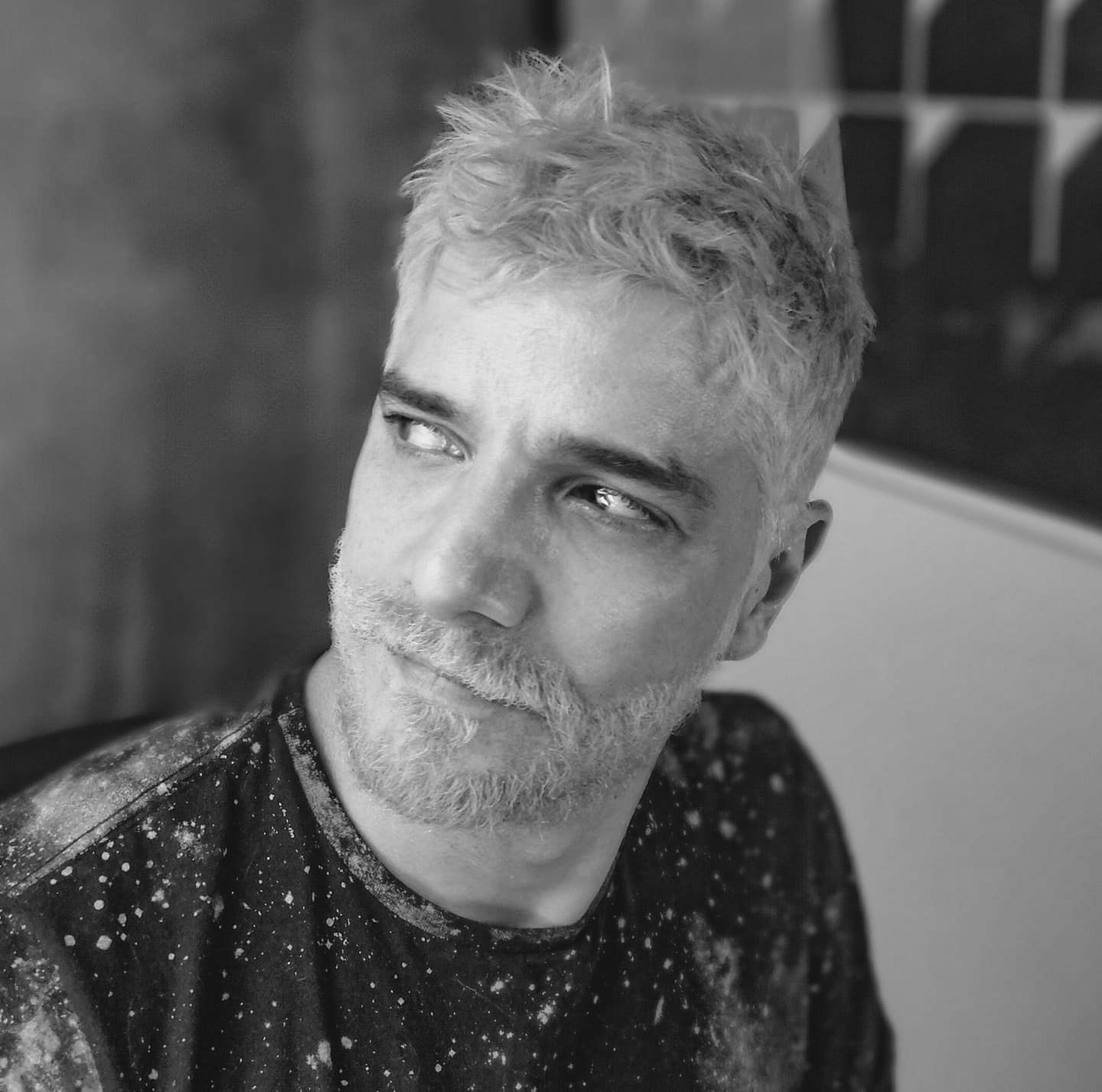
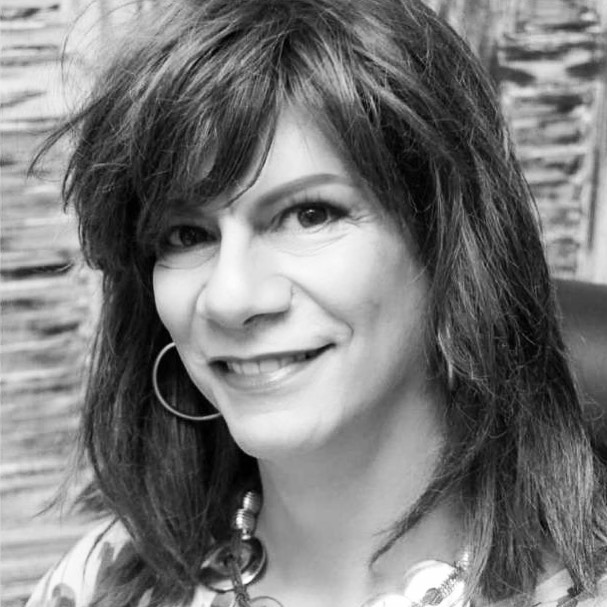
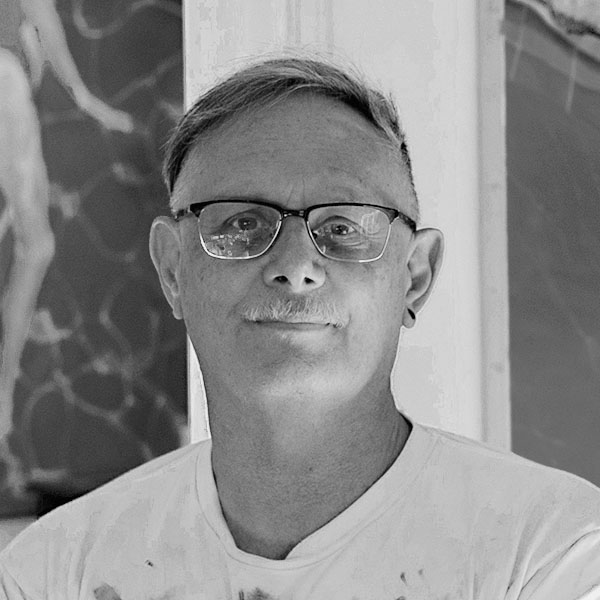
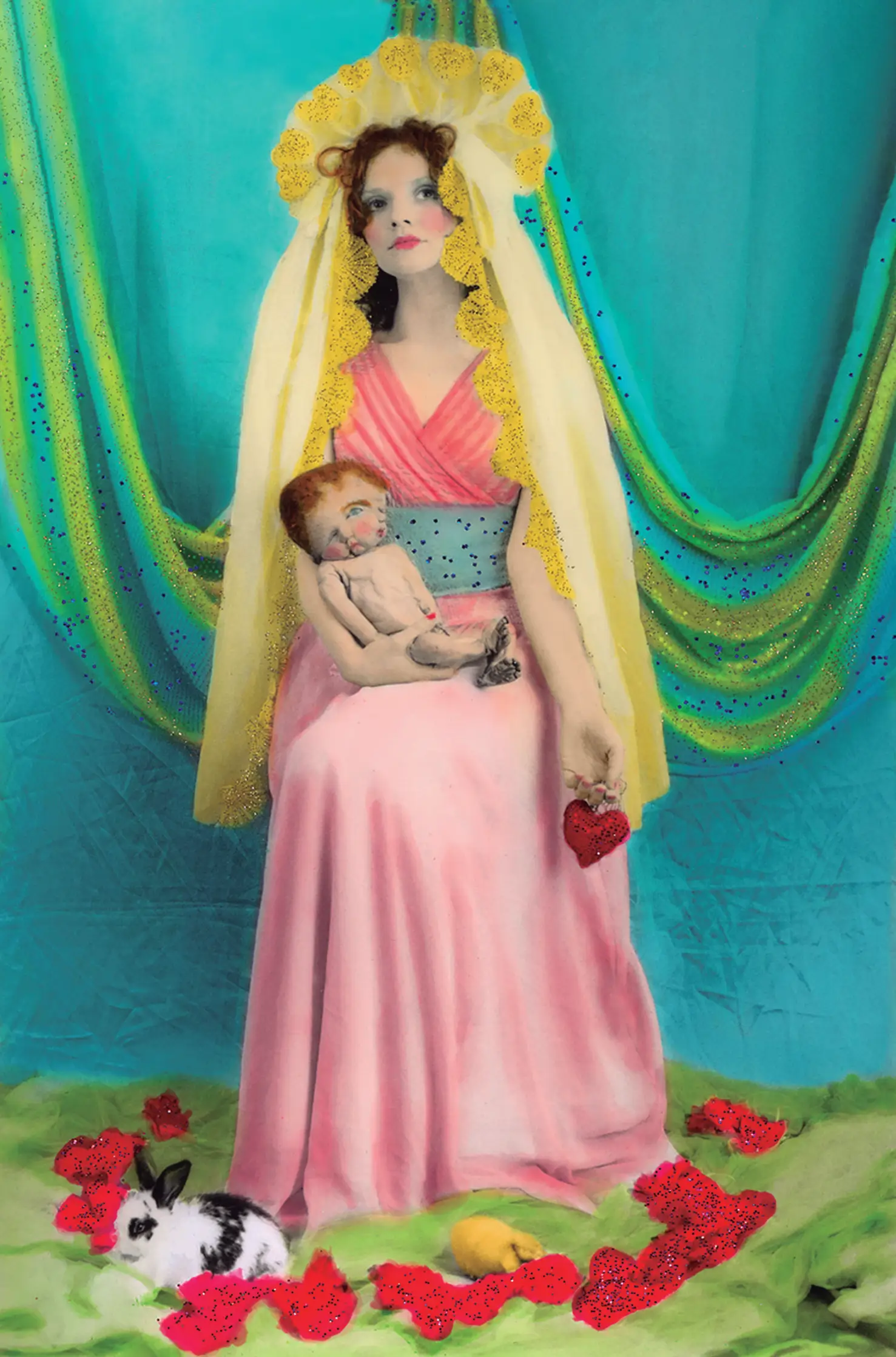
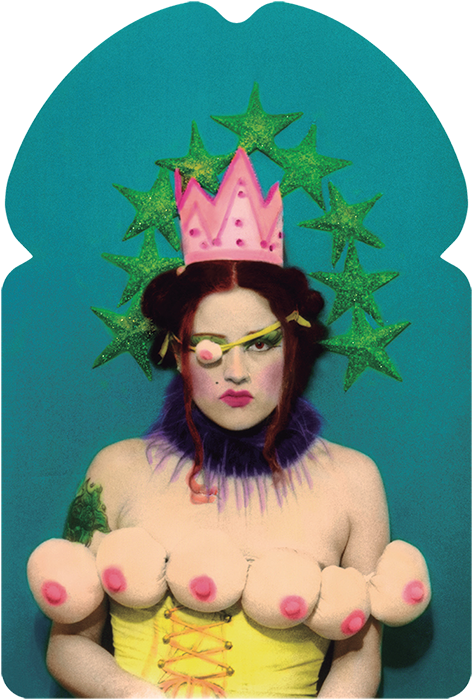
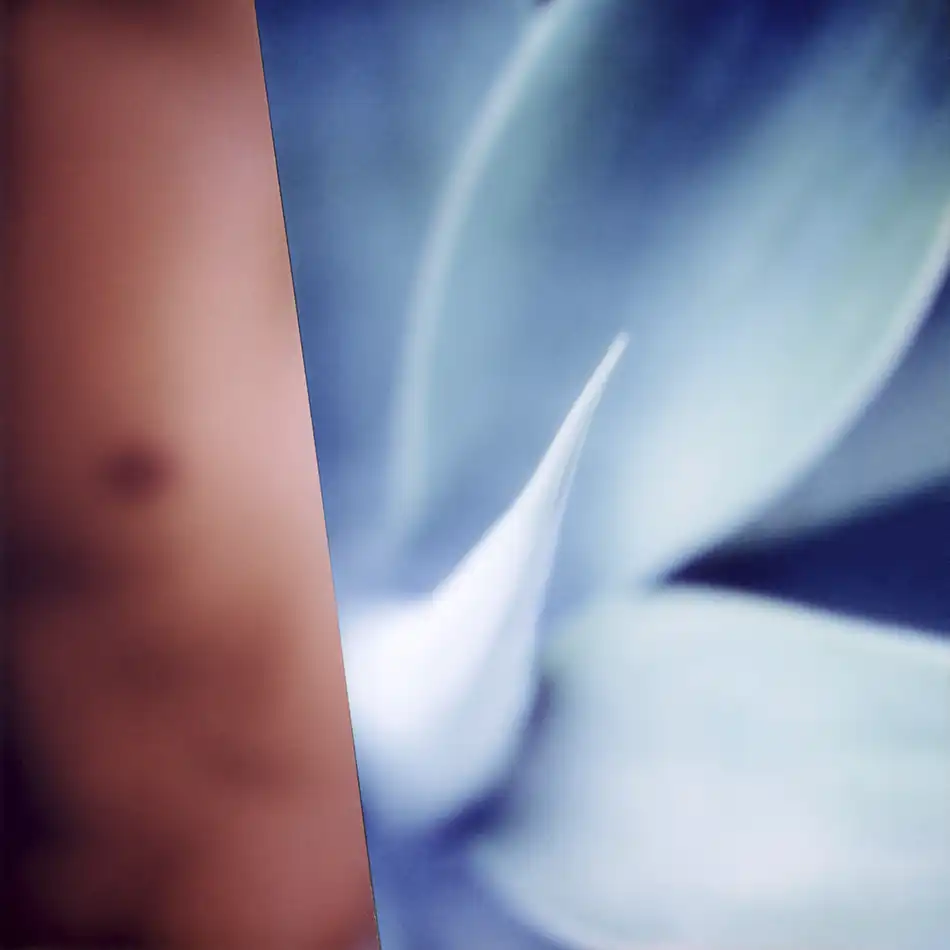
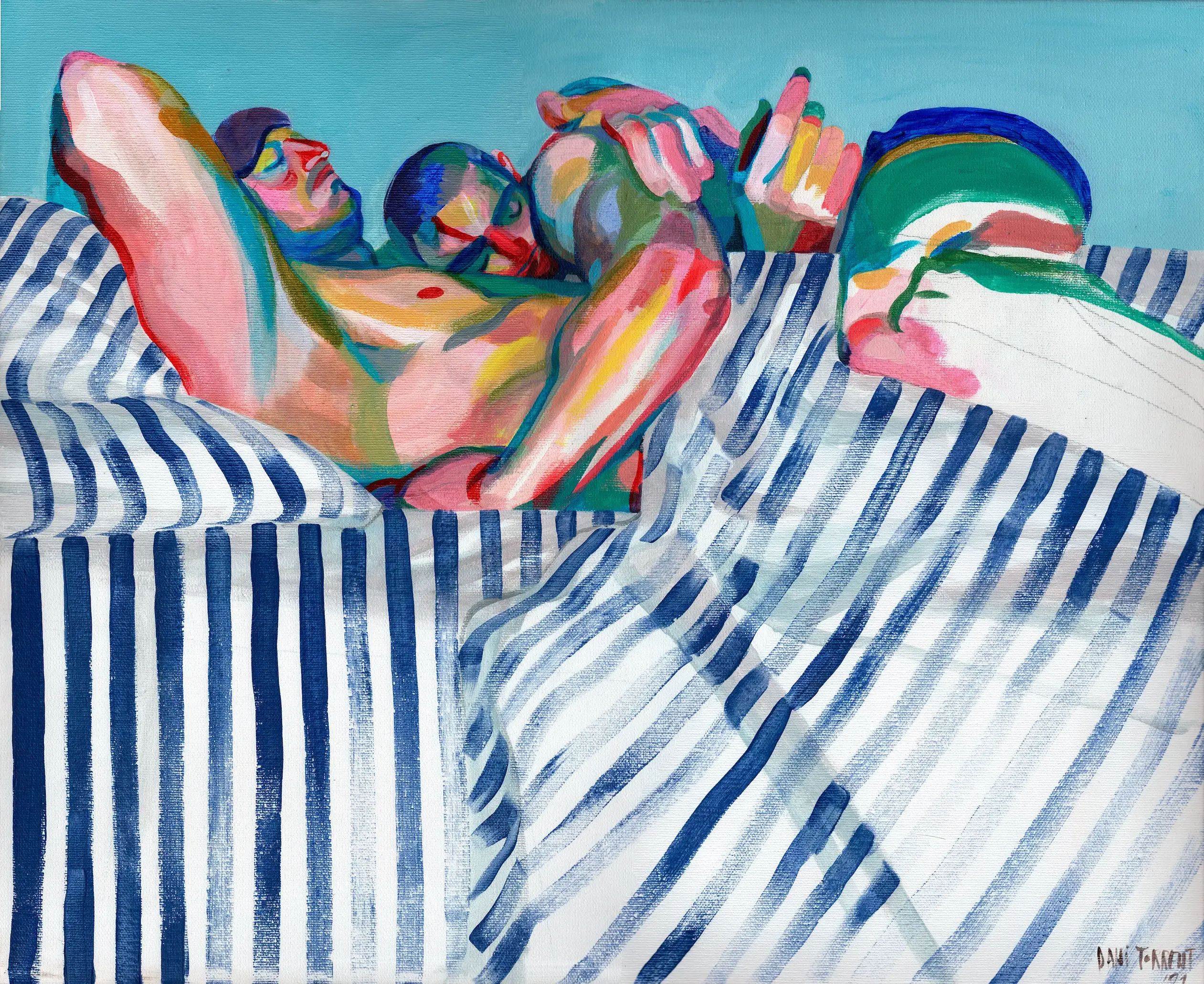
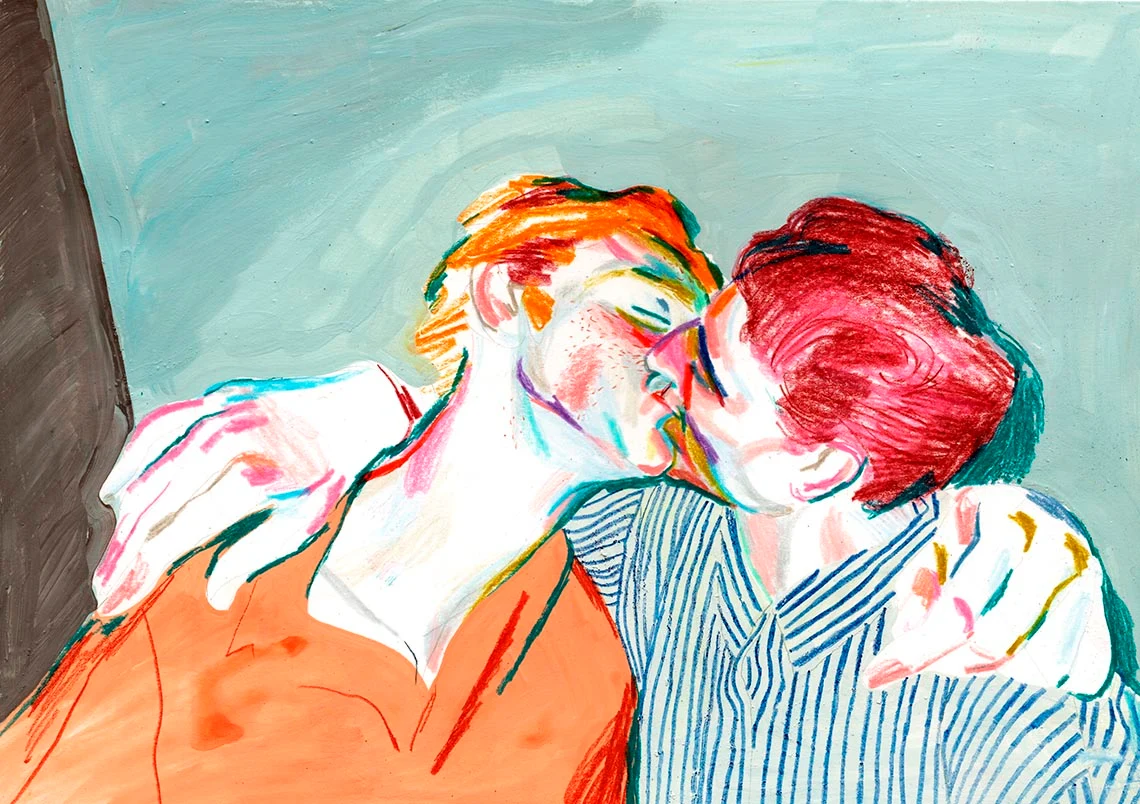
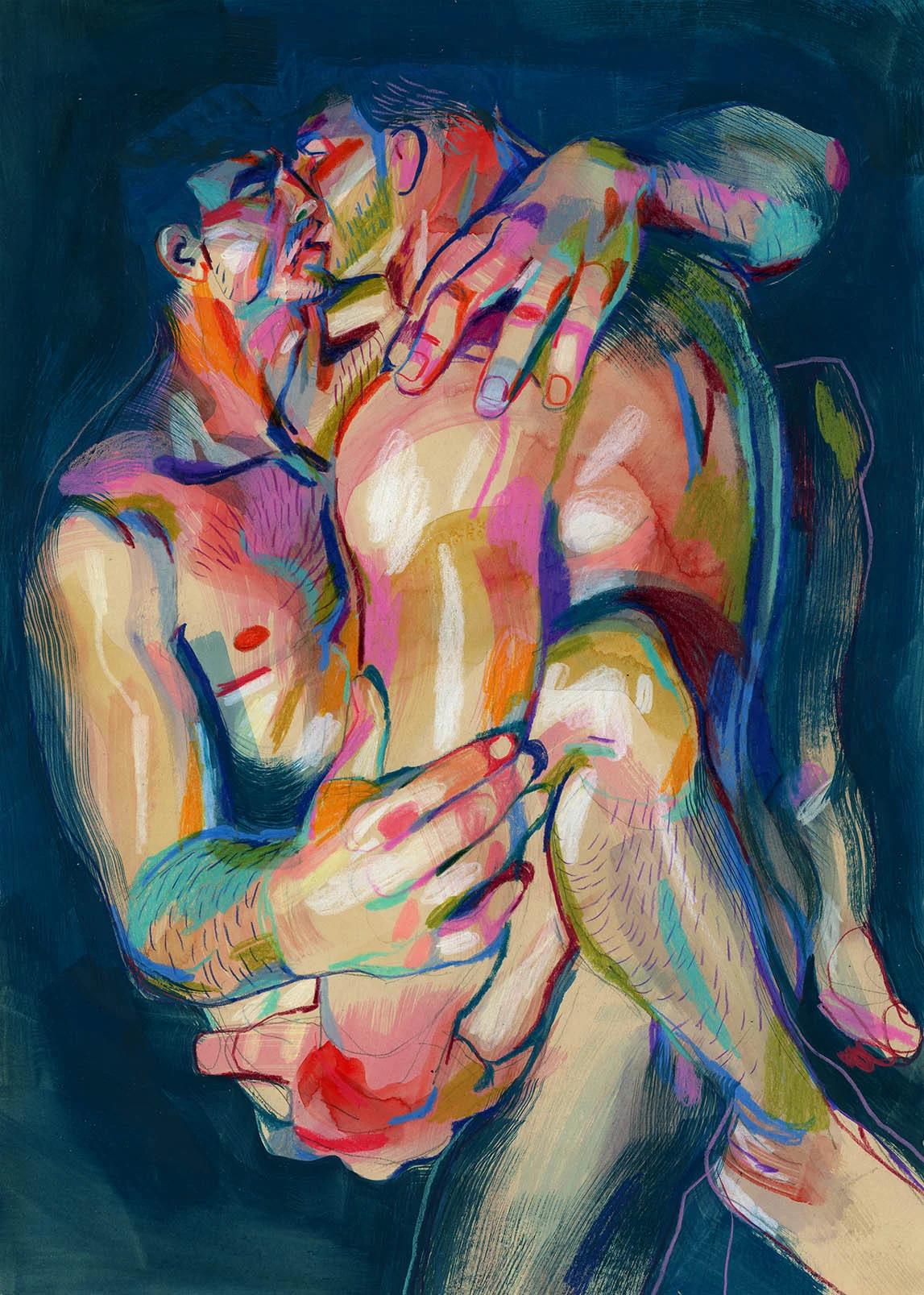
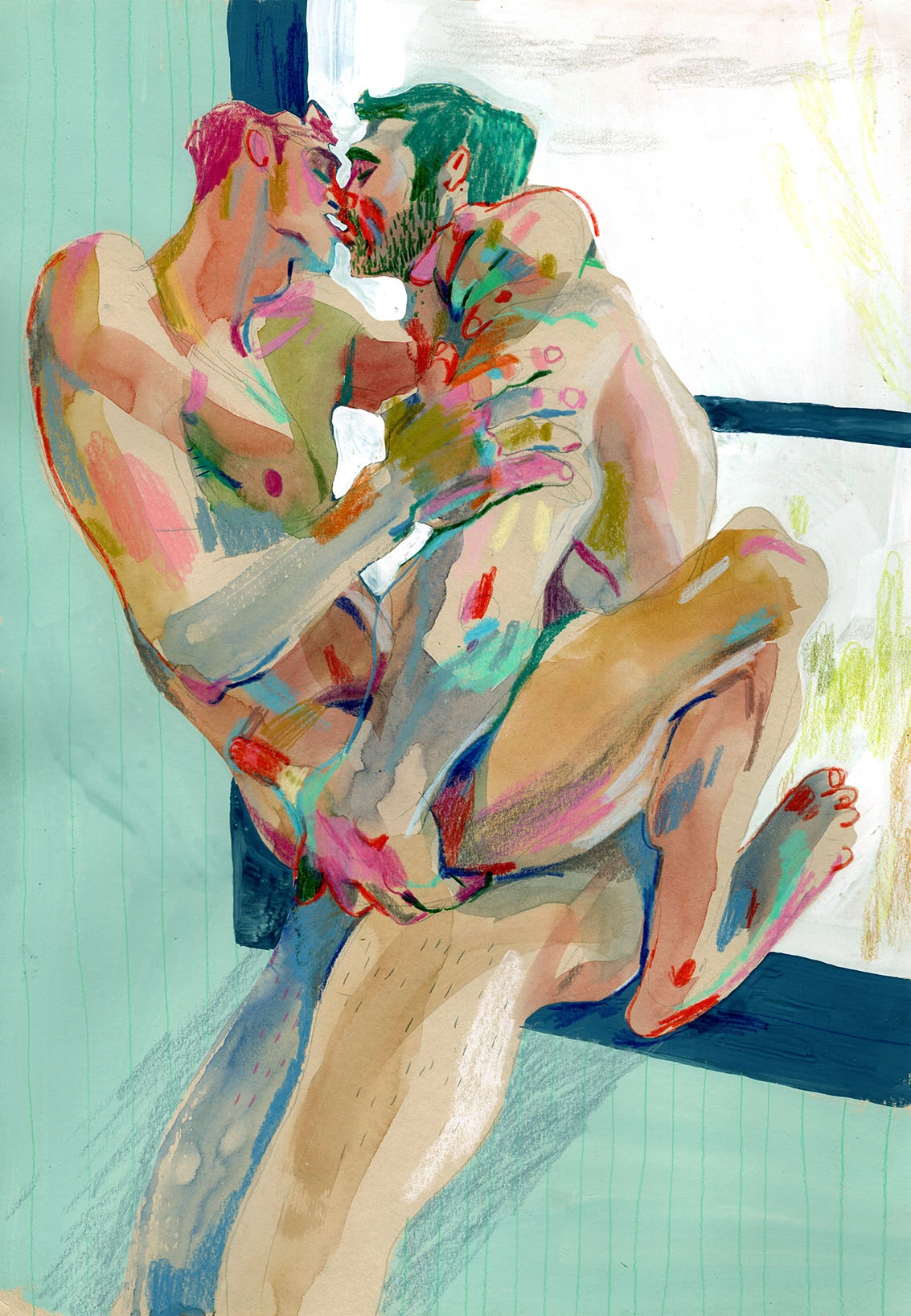
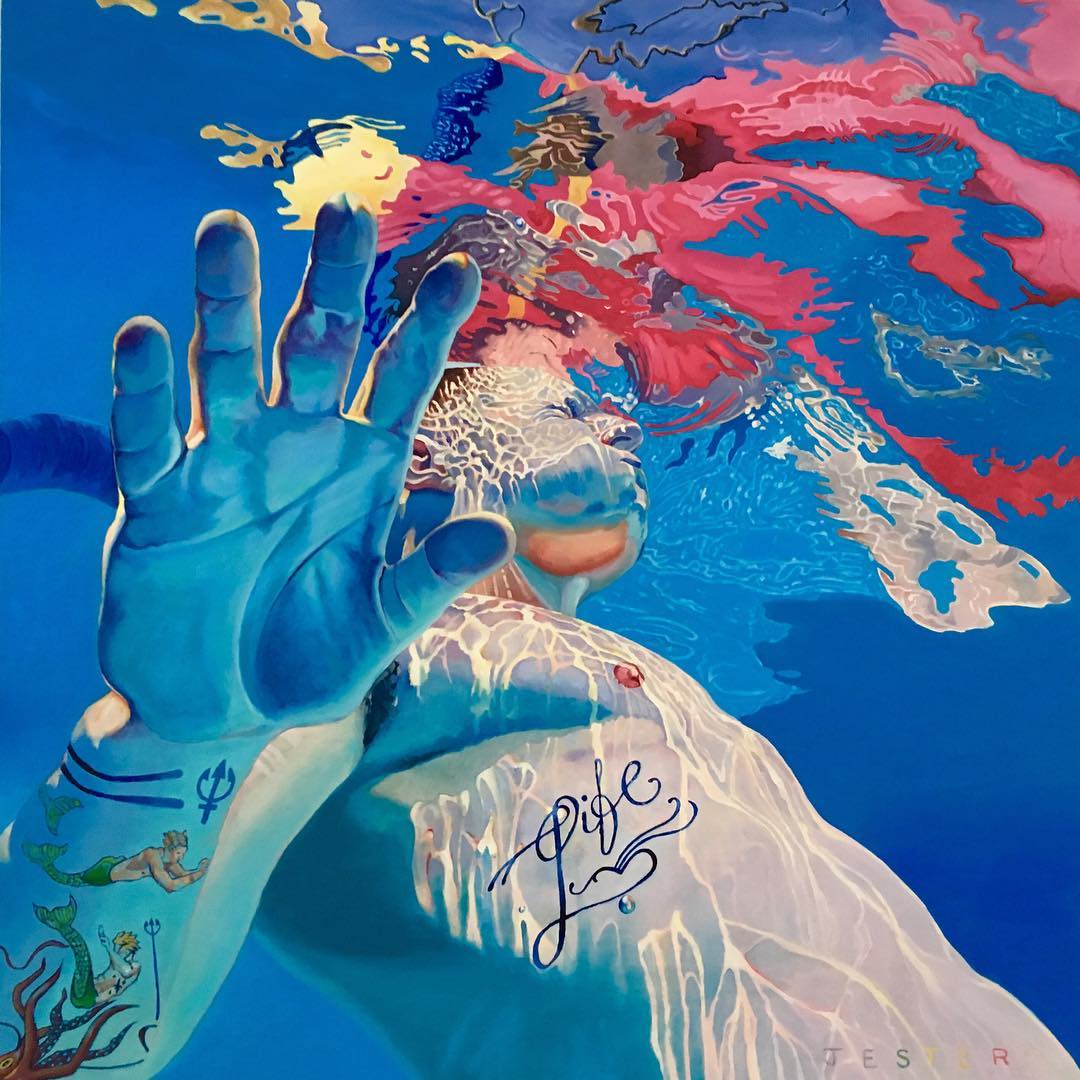
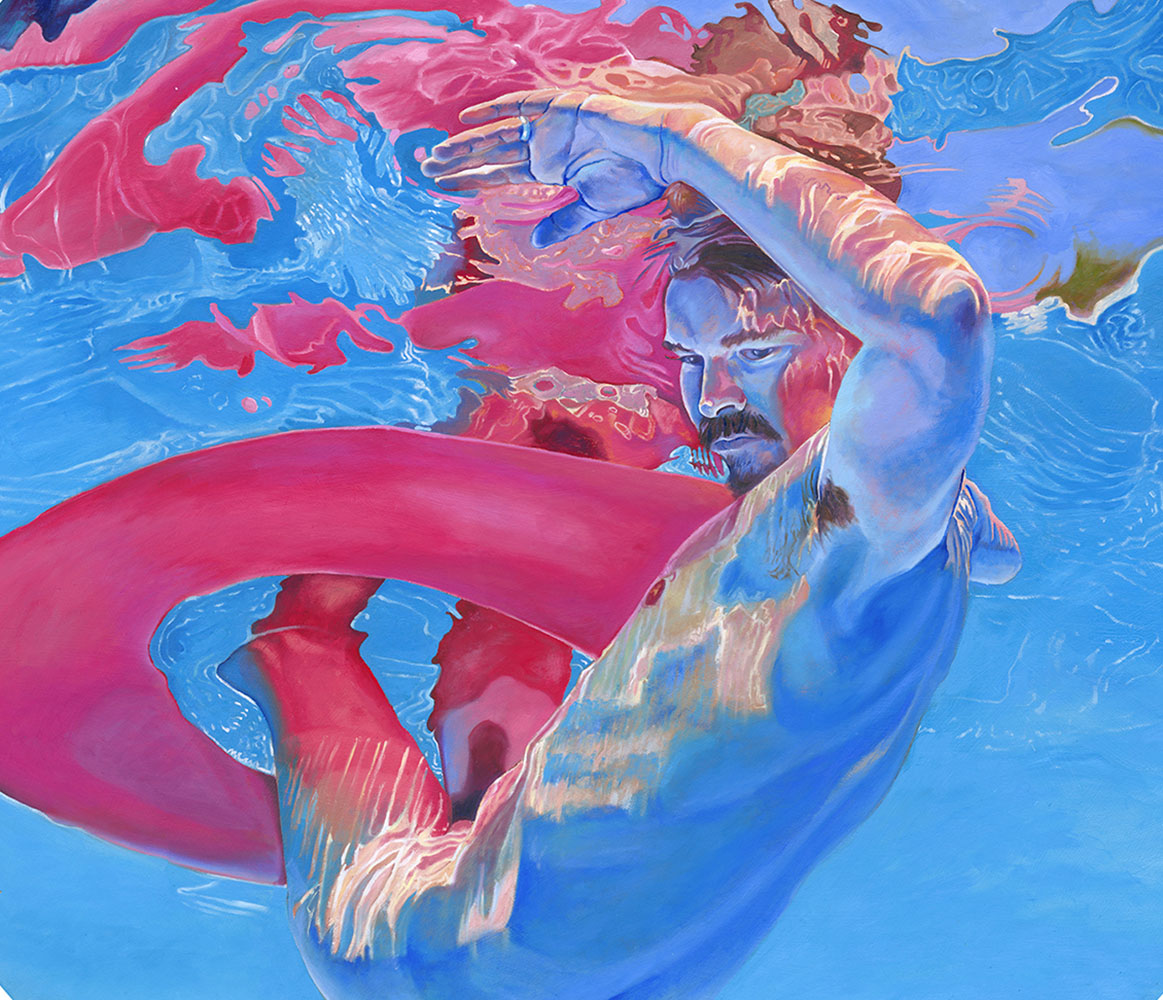
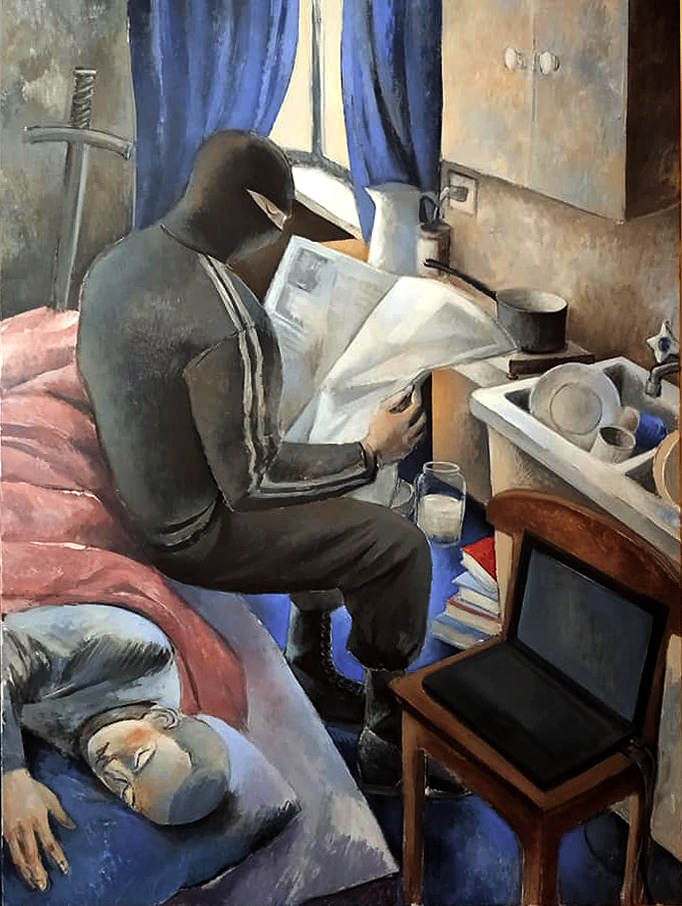
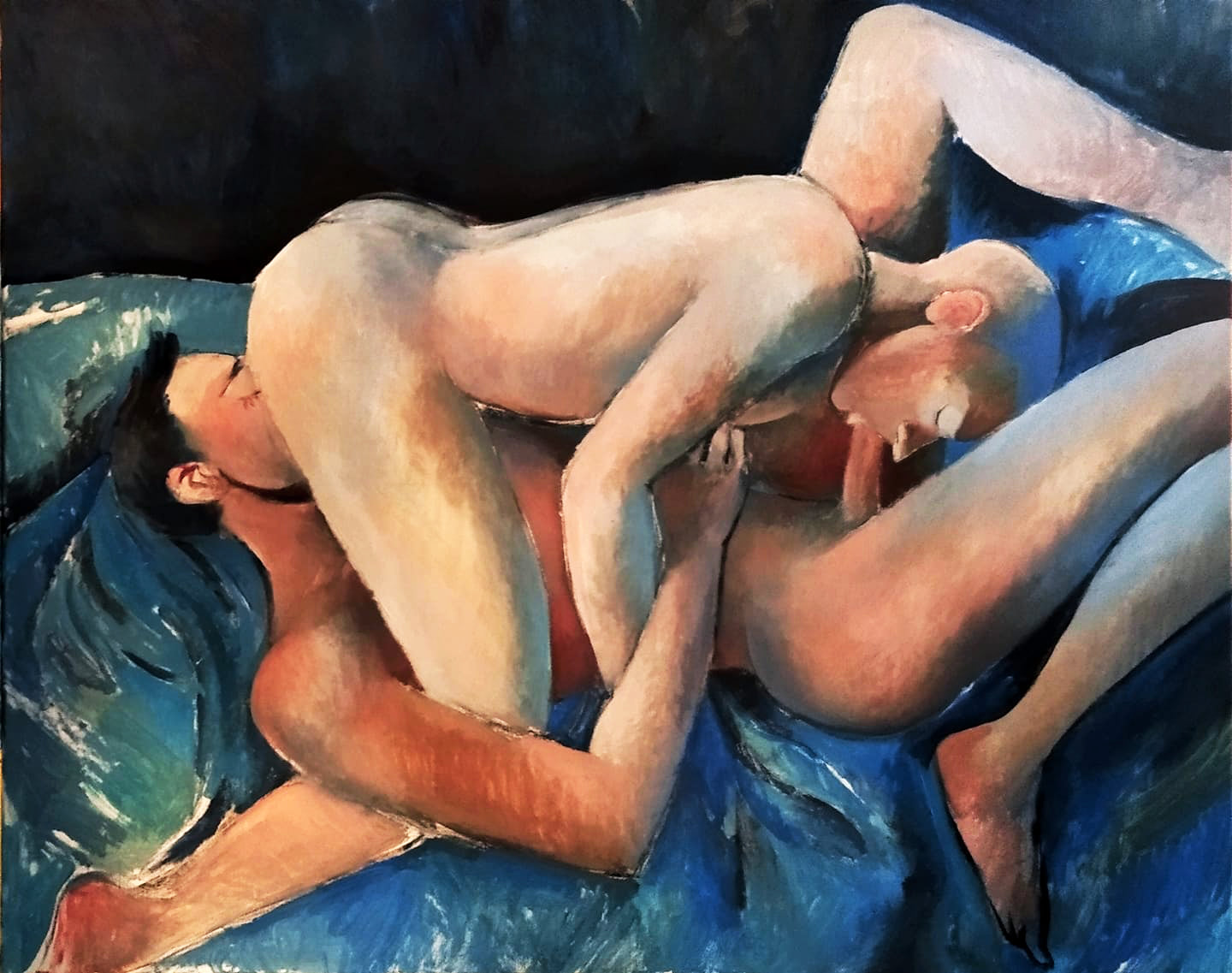
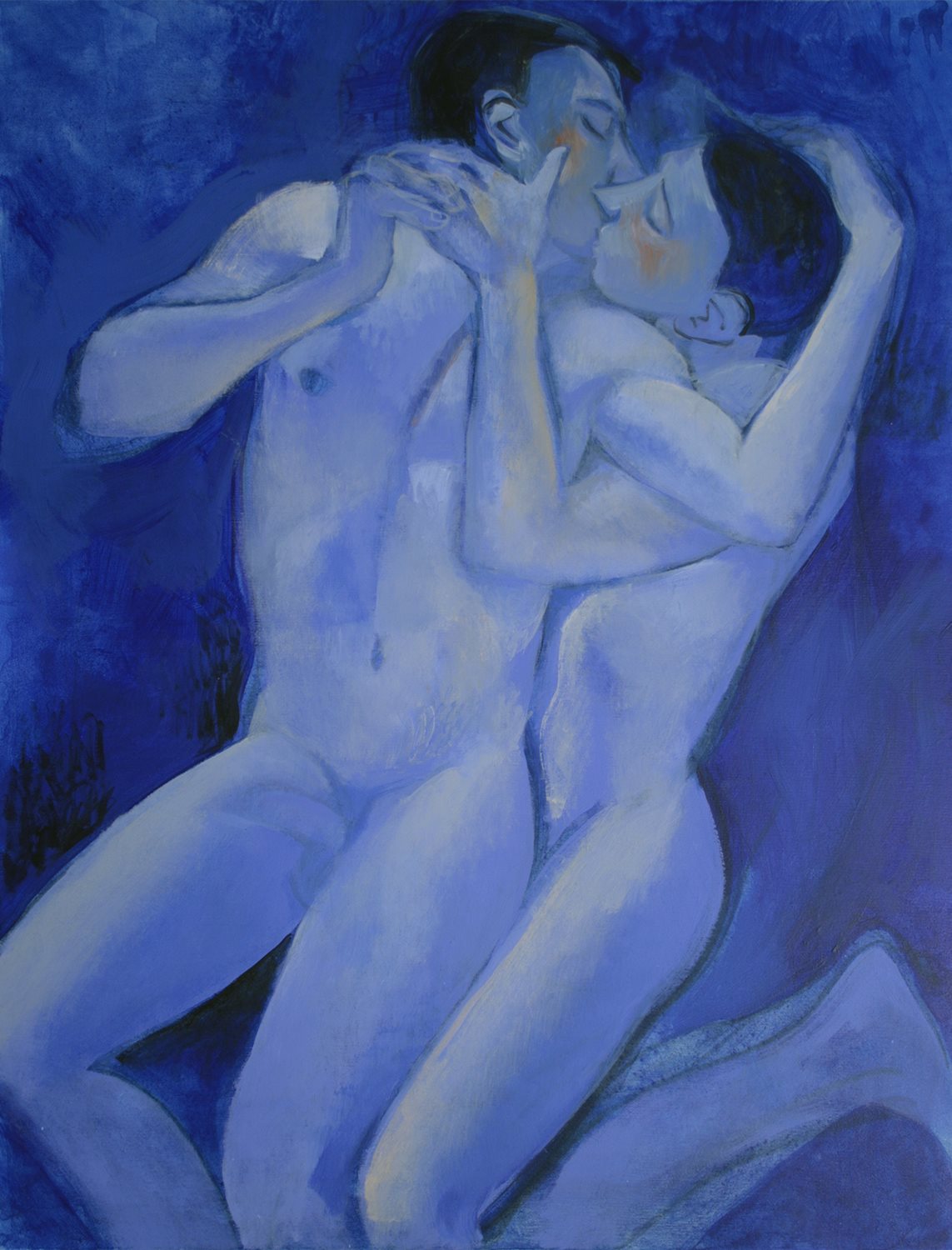
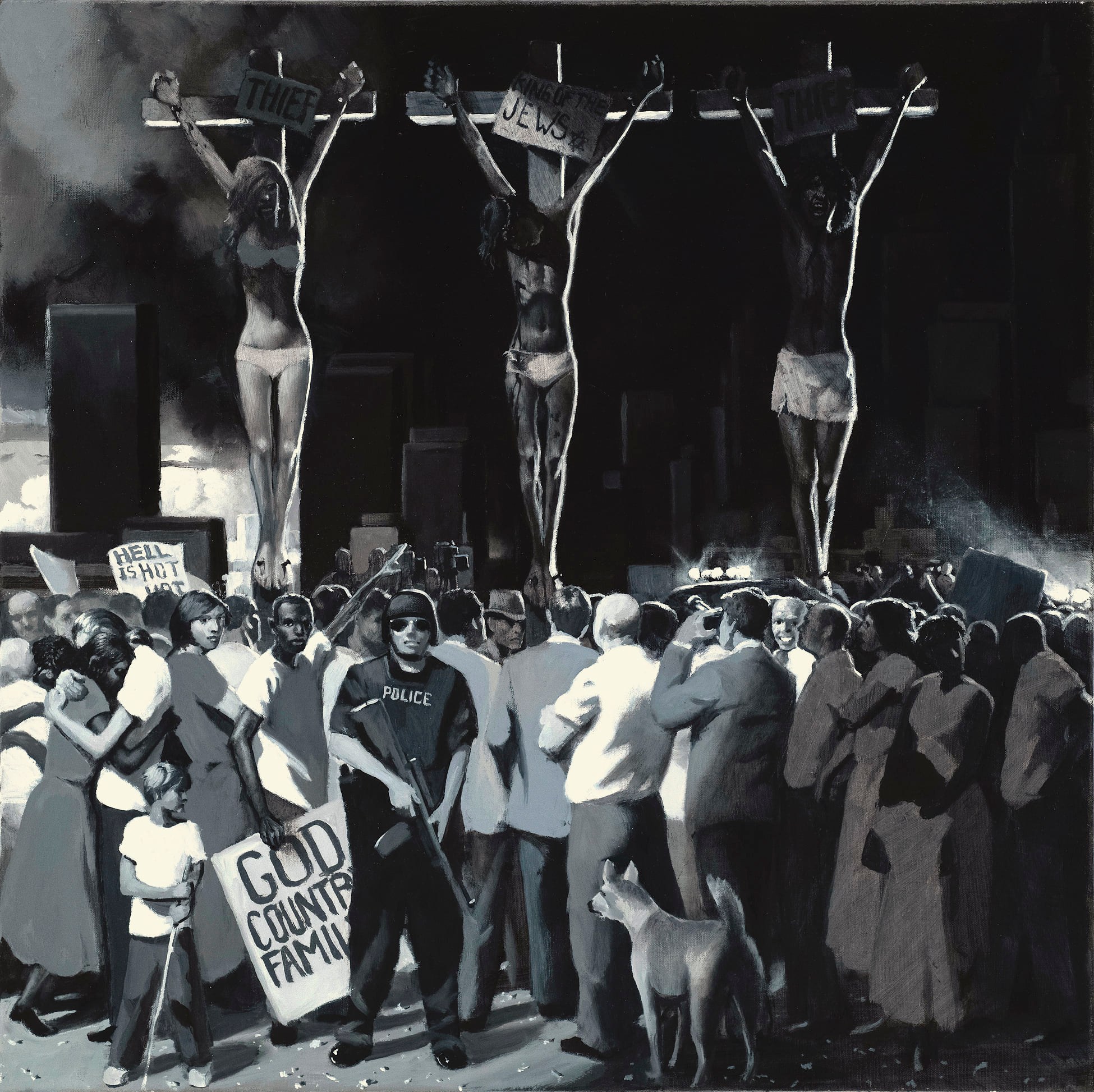
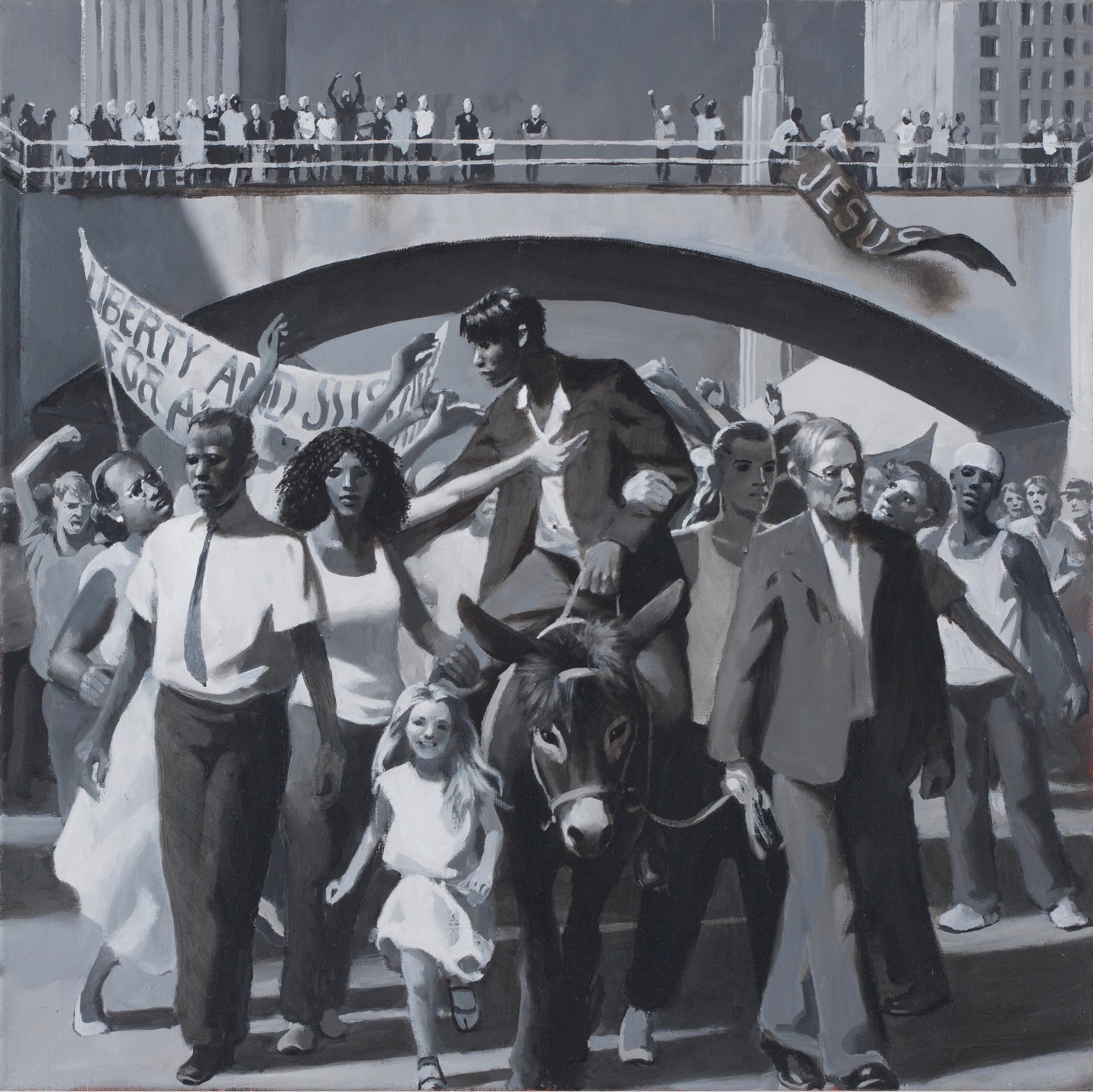
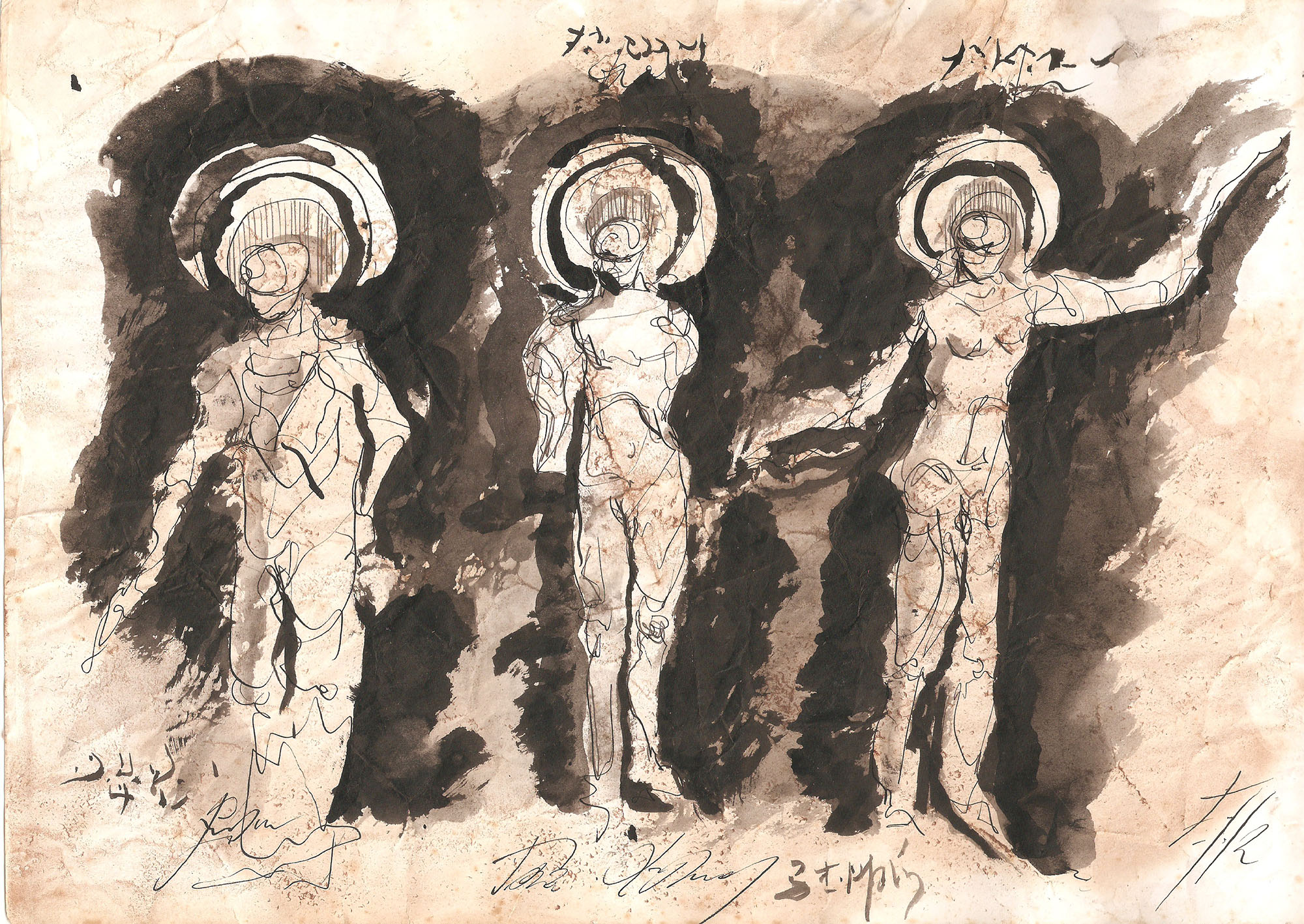
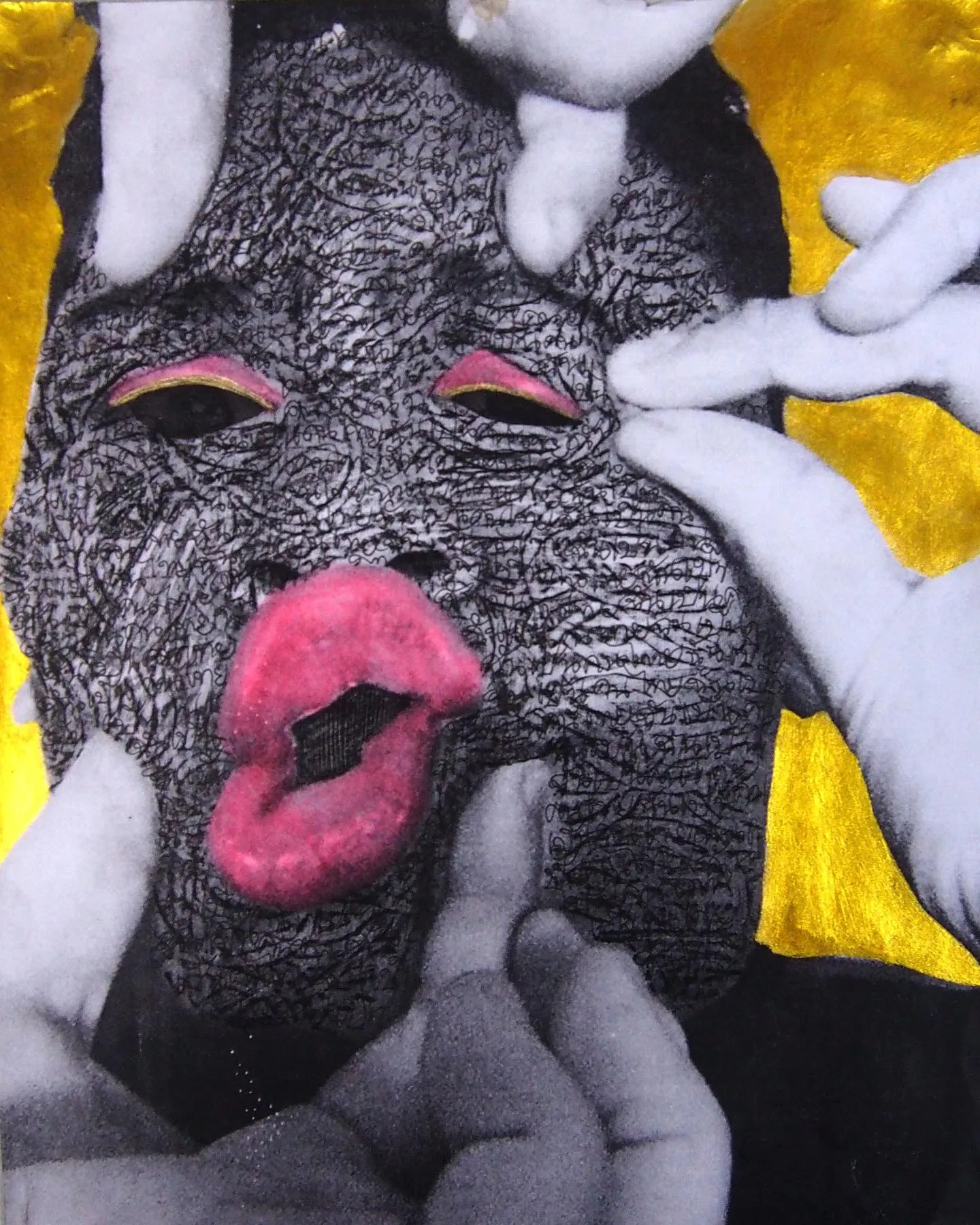
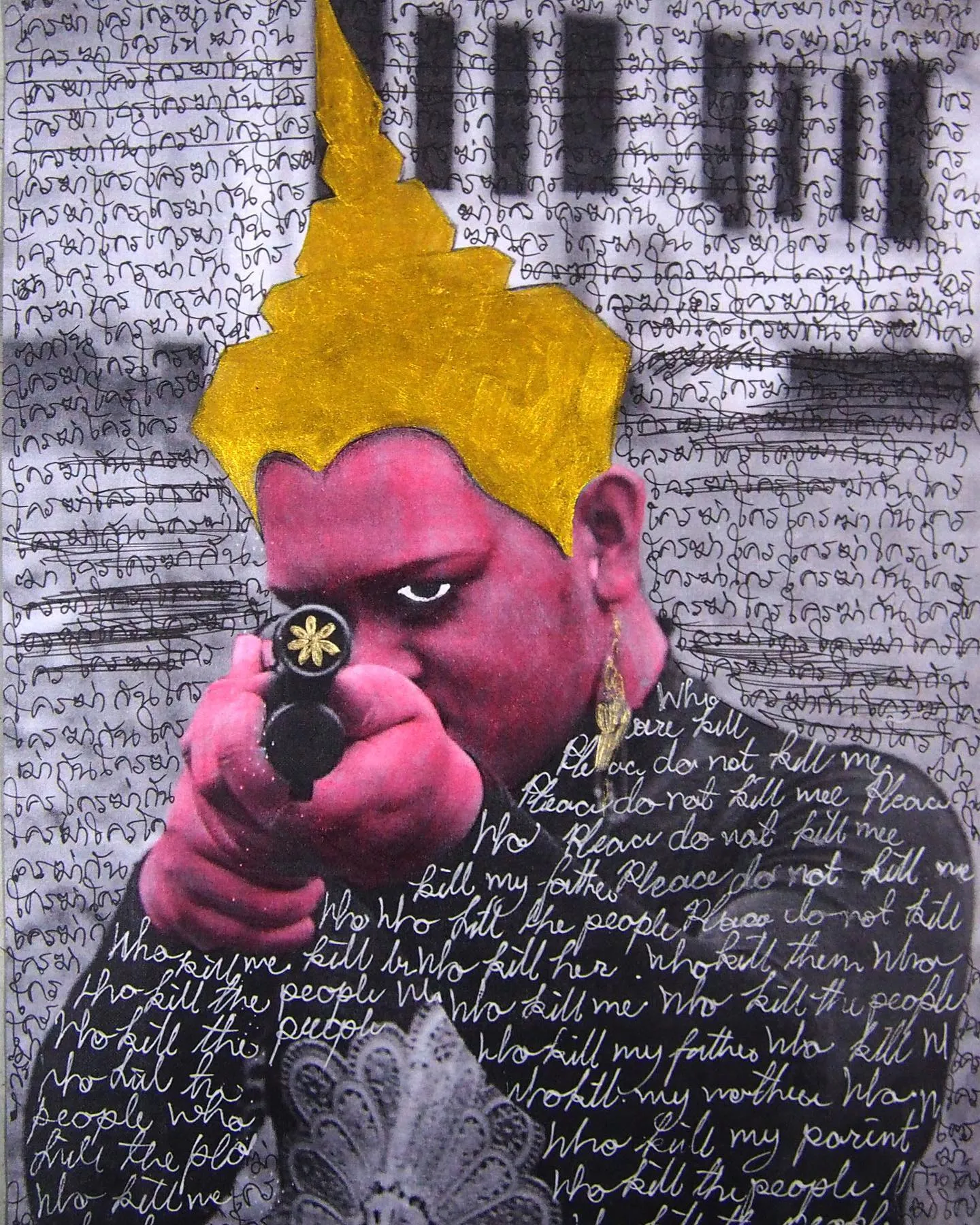
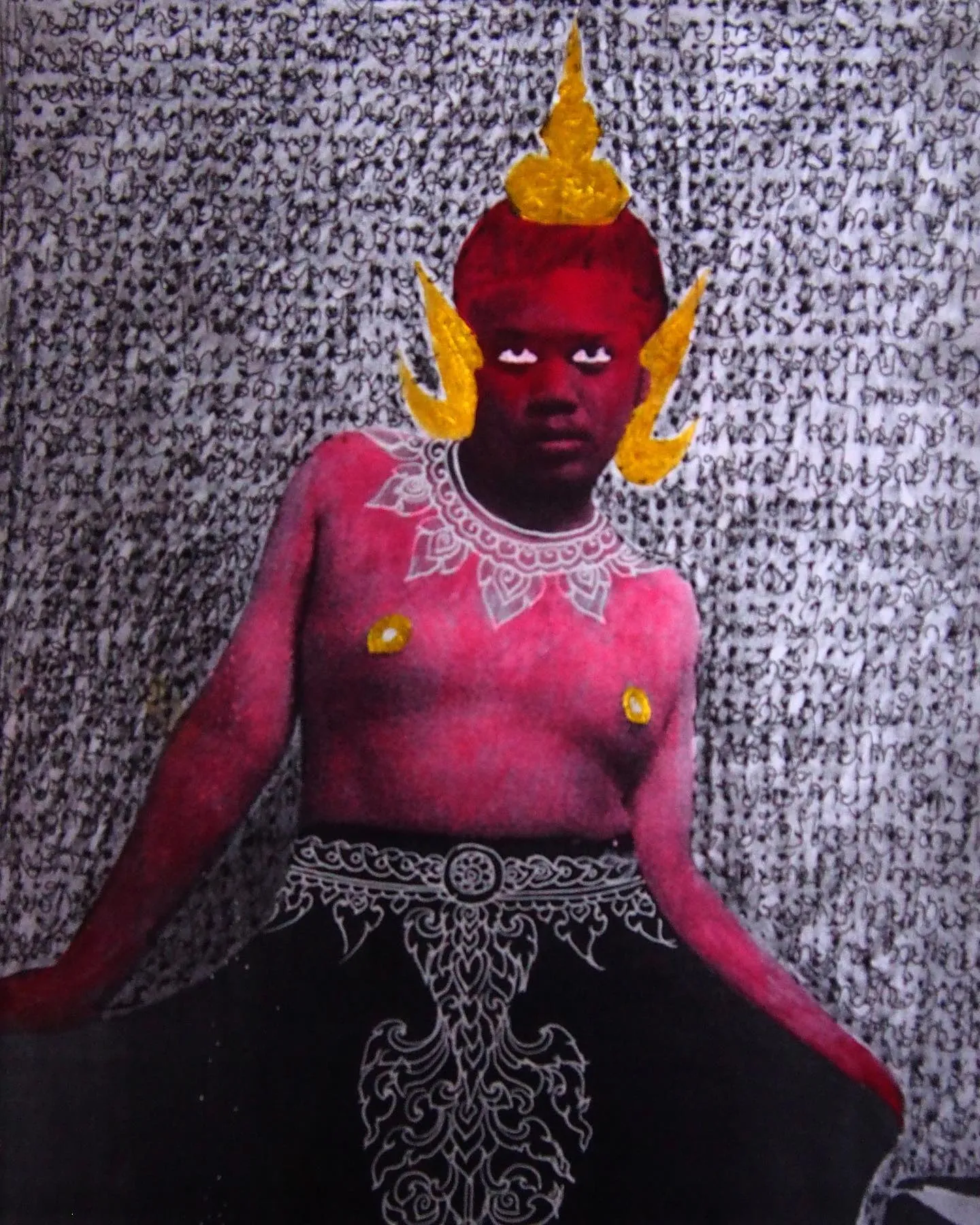
Artists: Grzegorz Pieniak (Poland), Stuart Sandford (United Kingdom), Daniel Torrent (Spain), David Jester (USA), Anuwat Apimukmongkon (Thailand), Juliusz Lewandowski (Poland), Doug Blanchard (USA), Fe Maidel (Brazil), Zaida Gonzalez (Chile).
Curator: Cheo González.
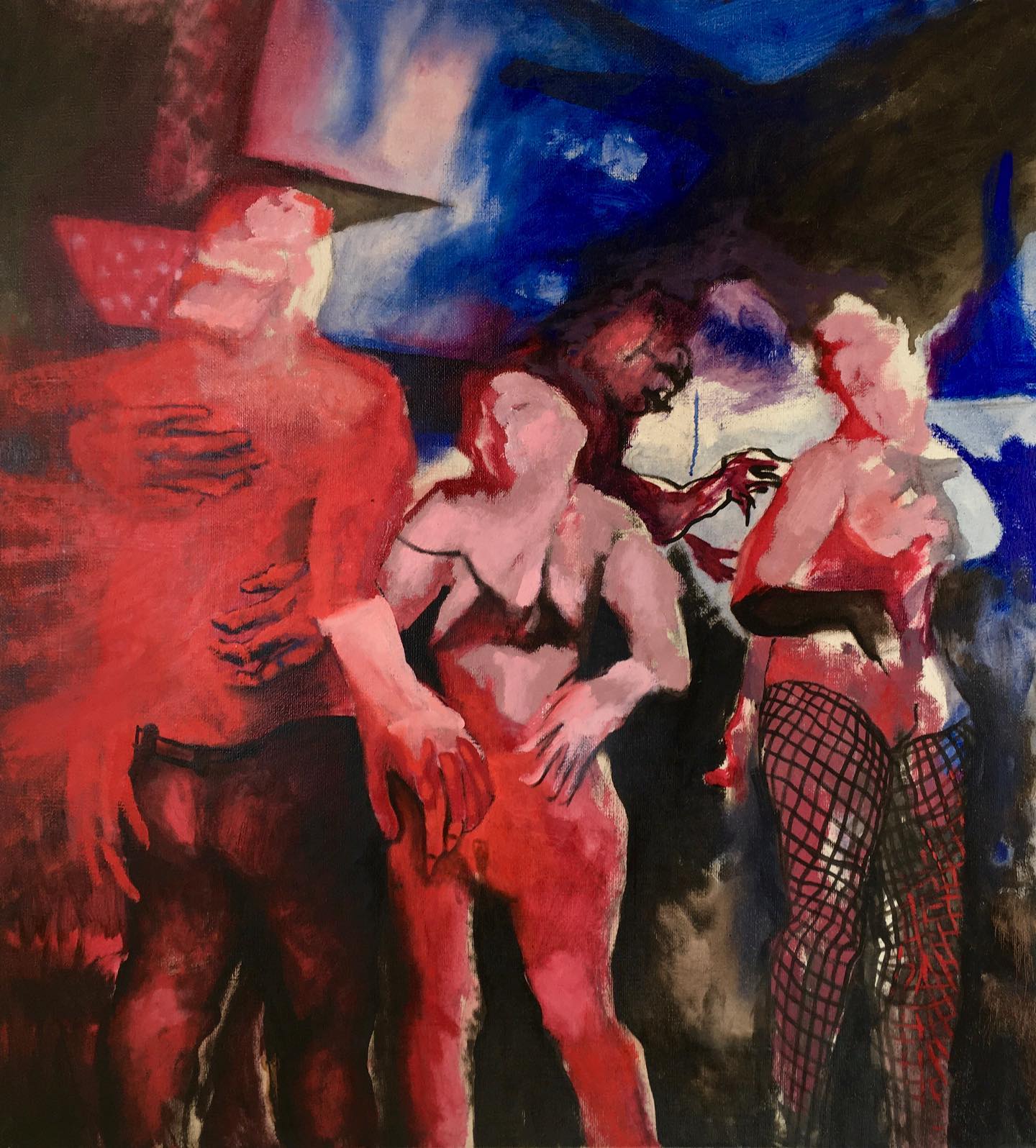
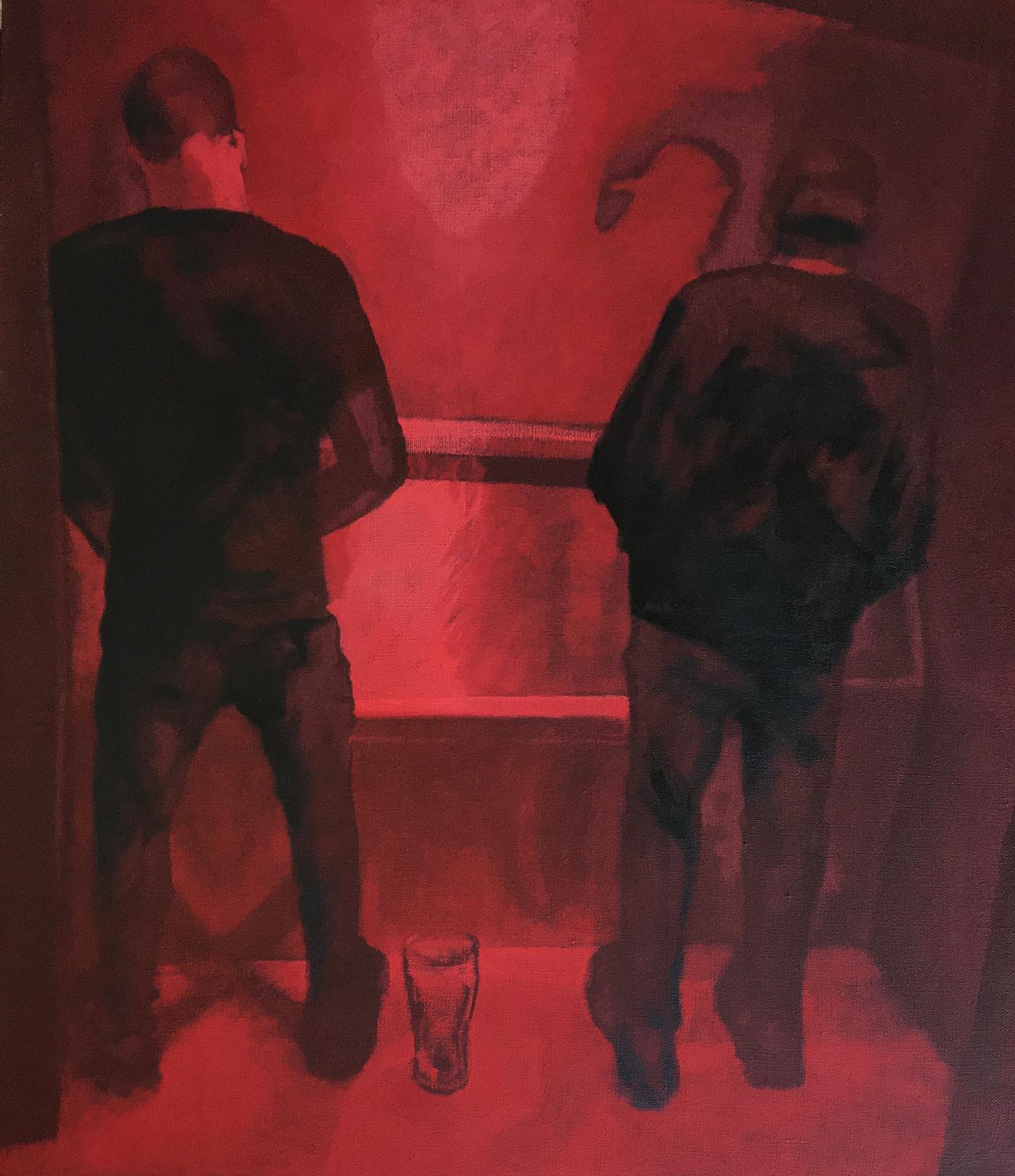
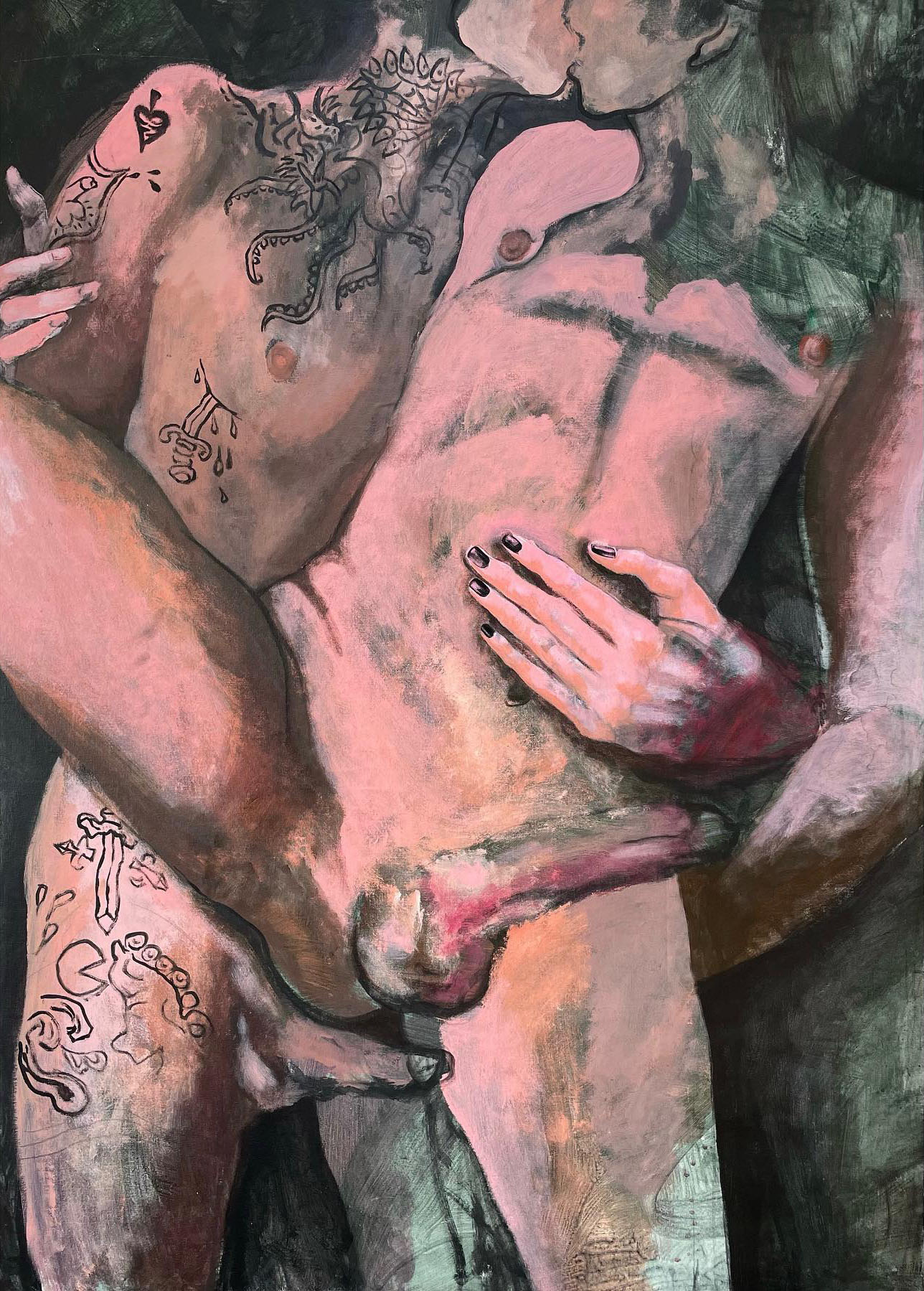
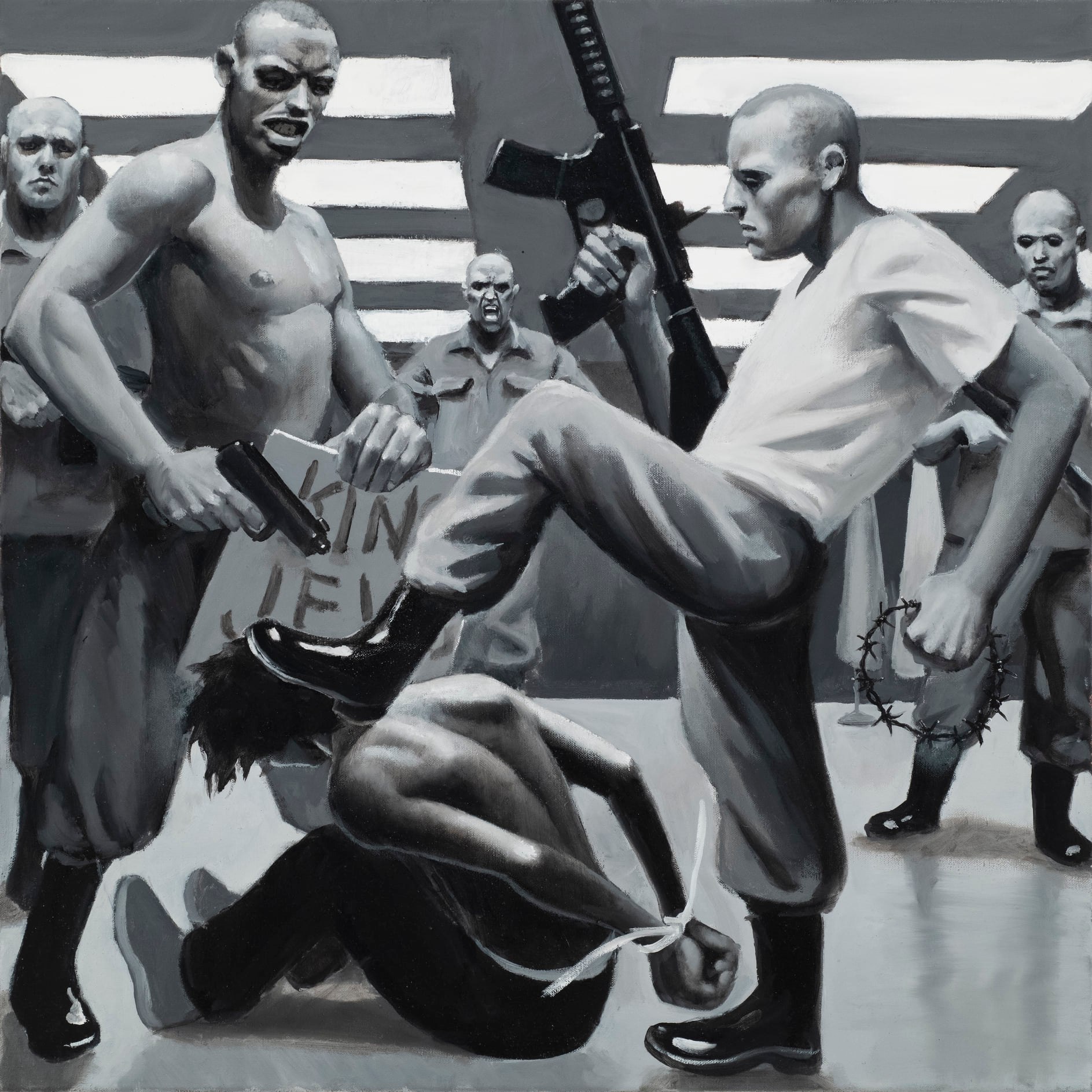
In June 2023, within the context of Pride Month, the exhibition “Dissident Affections: Sexual Diversity in Contemporary Art” took place at the Latin America Memorial in São Paulo. It is the largest international exhibition of contemporary LGBTQIA+ art held in São Paulo to date. The exhibition showcases a portion of The Queer Museum’s collection and was organized in conjunction with the International Center for Diversity Culture (CICD), the Secretary of Culture and Creative Economy of the Government of the State of São Paulo, and Diversa.
The exhibition features artists from countries such as Brazil, Poland, Thailand, the United Kingdom, Spain, among others, offering an overview of the current work of LGBTQIA+ artists from diverse realities and cultures around the world. Historically, art has played a fundamental role as a means of expression for humanity. However, it was sexual dissidents who, in order to convey emotions that could not be expressed directly due to religious and political repression but also could not be suppressed, developed codes and camouflage to display eroticism and feelings that gave complexity and depth to artistic expressions.
From Leonardo da Vinci to Andy Warhol, we can observe how the expression of sexual dissidence has paved its way even in more conservative societies. Currently, in many parts of the world, especially in totalitarian states and theocracies, sexual dissident art continues to fulfill this activist mission. However, primarily in the Western world, it has also become a tool of protest that confronts traditionalist institutions and individuals with dissidence that often lacks spaces and visibility. This is the spirit of “Dissident Affections: Sexual Diversity in Contemporary Art” – to showcase artistic expressions that reclaim the diverse sexualities existing in the world, creating a panorama of art being produced by our community at this specific moment and sharing with the public the dialogues and codes of contemporary art.